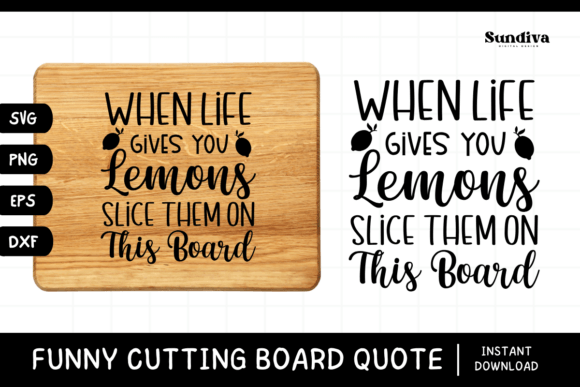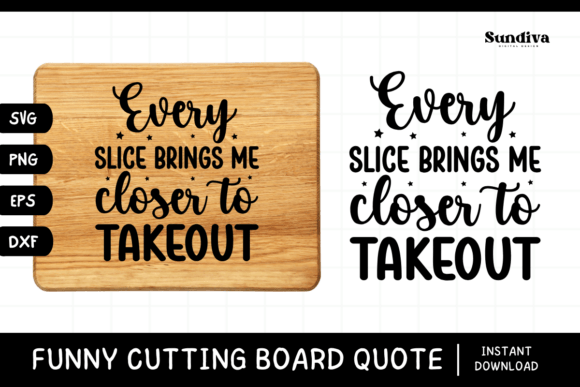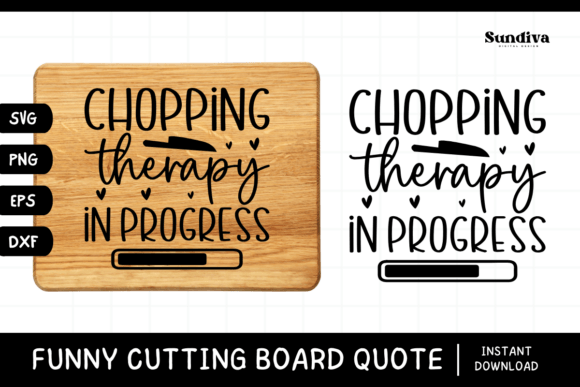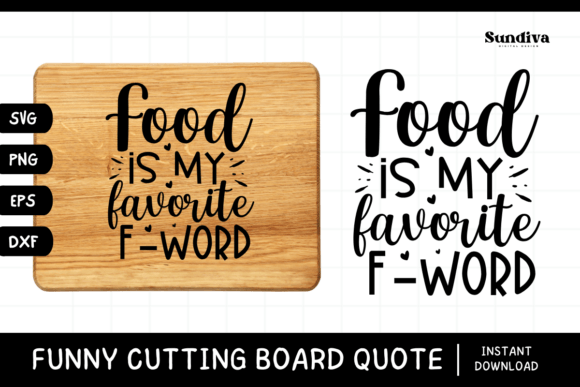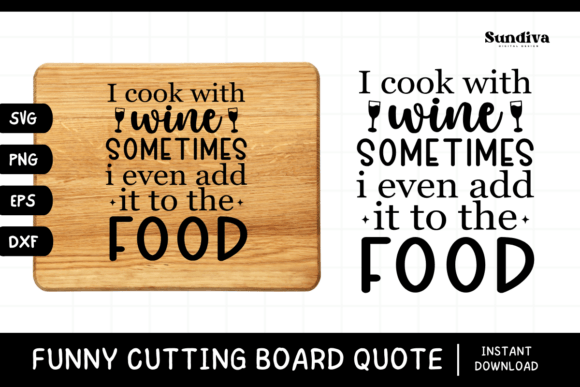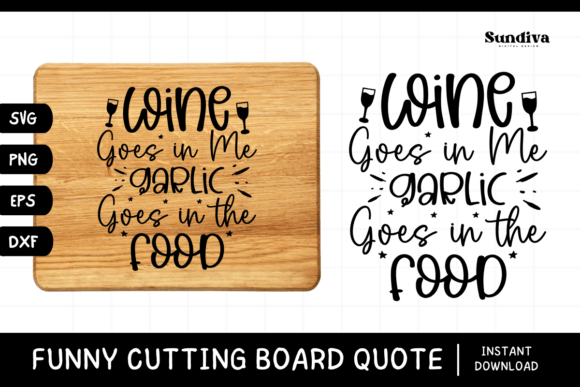
Funny Kitchen Cutting Board Quote SVG 20
As a designer who spends more time troubleshooting thread tension than actually sleeping, I approach every new embroidery file with a healthy dose of skepticism. We have all seen the endless stream of generic clip art that looks fine on a screen but turns into a muddy, unrecognizable blob once it hits the hoop. That is why I decided to put Funny Kitchen Cutting Board Quote SVG 20 through its paces. This isn’t just another decorative element; it is a specific design asset intended for customization, and understanding how it translates from a digital vector to a stitched reality is crucial for any serious crafter or small business owner.
First Impressions and Visual Personality
The immediate appeal of this design lies in its humor and relatability. In the world of handmade goods, emotional connection drives sales. A plain kitchen towel is functional, but a kitchen towel with a witty quote about cooking mishaps is a gift. Funny Kitchen Cutting Board Quote SVG 20 taps directly into that niche. The layout feels balanced, suggesting a design that prioritizes readability over excessive flourish. For an embroidery project, legibility is king. If the customer cannot read the joke within three seconds of looking at the finished product, the design has failed, regardless of how pretty the stitching is.
Visually, the design carries a playful mood. It does not try to be elegant or minimalist; it embraces the chaos of the kitchen. This makes it perfect for casual, everyday items. When I first loaded the files into my digitizing software, I appreciated the clean lines. The shapes are distinct, which usually means fewer registration errors during the stitching process. However, as any experienced embroiderer knows, what looks good in Adobe Illustrator does not always stitch well. The transition from vector paths to actual stitches requires careful consideration of stitch density and direction.
Real-World Application: From Screen to Stitch
I wanted to see where this design would shine brightest, so I simulated a few common use cases. The most obvious fit is, of course, kitchen textiles. Imagine a high-quality cotton tea towel or a heavy-duty apron. These fabrics provide a stable, flat surface that allows the satin stitch outlines and fill stitch areas to lay smoothly. When testing this concept mentally, I picture a custom apron for a wedding shower gift. The humor adds personality, making it far more memorable than a standard monogram.
However, the versatility of this design extends beyond the kitchen. Because the theme is lighthearted, it works exceptionally well for custom apparel. A sweatshirt embroidery featuring this quote could be a great item for a cozy winter collection or a fun holiday gift. It also translates well to a tote bag design. Canvas totes are staples for craft fairs and Etsy sellers, and adding a humorous graphic helps the bag stand out in a crowded marketplace. The design’s structure likely holds up well on structured bags, whereas loose-weave fabrics might require additional stabilizer support to prevent puckering.
For those selling to the baby market, this could work on a onesie or a nursery blanket, provided the font size is large enough to remain readable on small garments. Baby embroidery often demands softer aesthetics, but if the quote is gentle yet funny, it fits right in. The key here is scale. What looks like ample space on a computer monitor can feel cramped on a tiny hat brim.
Technical Considerations and Potential Pitfalls
This is where the rubber meets the road. While the design is promising, there are specific areas where Funny Kitchen Cutting Board Quote SVG 20 requires caution. First, consider the fabric texture. Embroidering on a textured fabric, such as a waffle-knit towel or a boucle sweater, can obscure fine details. If the design contains tiny lettering or delicate accents, they may get lost in the weave of the material. Always test on scrap fabric first to ensure the contrast between the thread and the background is sufficient.
Another critical factor is the hoop size. If you attempt to stitch this on a very small hoop, you risk cutting off parts of the design or forcing the machine to stretch the fabric too much, leading to distortion. Conversely, on a large piece like a blanket, the design might look disproportionately small unless scaled up appropriately. Scaling is tricky in embroidery; enlarging a design too much can make individual stitches visible and chunky, while shrinking it can cause thin lines to break or disappear entirely.
Dark fabrics present their own challenges. If the design relies on light-colored threads for highlights, you will need a substantial underlay or a contrasting base layer to ensure opacity. Furthermore, check the stitch density in the center of the design. Dense fill stitches can create a stiff, board-like feel on flexible fabrics like t-shirts or leggings. For custom apparel, you want the embroidery to move with the fabric, not against it. If the design feels too rigid, consider reducing the density or switching some fill areas to lighter patterns.
Specific Use Cases to Avoid
- Stretchy Fabrics: Unless you are using a specialized tear-away stabilizer and a ballpoint needle, avoid placing this on highly stretchy materials like spandex blends without rigorous testing.
- Curved Surfaces: Applying this to caps or hats requires careful hooping techniques. Flat designs on curved surfaces can distort if not digitized specifically for that curvature.
- Small Details: Any tiny text or intricate corners should be scrutinized. In a commercial setting, customers expect perfection. Blurry details erode trust in your brand.
Impact on Brand and Customer Perception
Using a well-executed design like this affects more than just the aesthetic of the item; it influences perceived value. A professionally stitched handmade product signals quality. When a buyer sees that the letters are straight, the edges are clean, and the colors match the description, they are more likely to leave a positive review and return for future purchases. This is particularly important for Etsy sellers and small shop products where reputation is everything.
The humor in the design also boosts engagement. People love to share funny things on social media. If a customer receives a personalized gift with this quote and posts a photo, it serves as free marketing for your shop. The design becomes a conversation starter, which is invaluable for building a community around your craft business.
Final Designer Notes
Before committing to a full production run, I strongly advise creating a printable mockup to visualize the final result. This helps you spot potential issues with placement and sizing before you waste thread and fabric. Additionally, verify the licensing terms associated with Funny Kitchen Cutting Board Quote SVG 20. Even if you buy the file, you must confirm whether you are allowed to sell finished items made from it. This is a common pitfall for many digital designers and physical producers alike.
In conclusion, this design offers a strong foundation for a variety of projects. It balances humor with structural integrity, making it suitable for both personal gifts and commercial ventures. By paying attention to fabric choice, stabilizer usage, and stitch density, you can transform this digital asset into a tangible, delightful finished product that resonates with customers. Whether you are decorating a kitchen towel or branding a line of holiday embroidery goods, this design has the potential to add a unique touch to your portfolio.